Scott 3200A Tailwheel – Fully Rebuilt: Reliable Aircraft Ground Handling Performance
Scott 3200A Tailwheel – Fully Rebuilt: Reliable Aircraft Ground Handling Performance
Blog Article
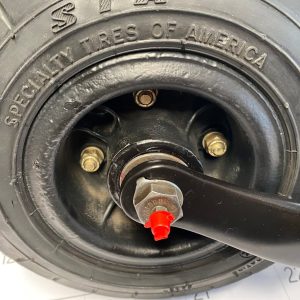
The Scott 3200A Tailwheel – Fully Rebuilt combines an established aviation design with inspected, serviced, adjusted, and replaced components intended to restore dependable mechanical operation. Buyers should request an itemized rebuild summary instead of assuming that every component within the assembly is new.
A correctly rebuilt Scott 3200A Tailwheel Assembly can support predictable steering when installed and adjusted properly on a compatible aircraft. The actual condition of a Scott Tailwheel Assembly should be determined through appropriate inspection rather than cosmetic appearance alone.
The Aircraft Tailwheel Assembly carries tail loads while allowing the aircraft to taxi, turn, park, take off, and land on suitable surfaces. The General Aviation Tailwheel should be selected according to aircraft weight, tail load, wheel size, spring arrangement, steering configuration, runway environment, and installation requirements.
Whether operators are sourcing a Heavy-Duty Aircraft Tailwheel, Tailwheel Aircraft Parts, or Aircraft Steering Tailwheel, condition and documentation should remain central.
Key Benefits of a Rebuilt Scott 3200A
A fully rebuilt Scott 3200A may offer practical value when its identity, condition, rebuild scope, and aircraft compatibility are confirmed. A system-level evaluation can identify the true cause of binding, looseness, poor centering, irregular tire wear, or inconsistent ground control.
Scott 3200A Tailwheel Applications
Actual operation depends on the complete aircraft installation rather than the tailwheel assembly alone. Detailed documentation gives buyers a stronger basis for comparing available Scott 3200A Tailwheel Assemblies.
Scott Tailwheel Assembly Service Quality
A thorough rebuild generally begins with complete disassembly, careful cleaning, detailed inspection, and measurement of wear-sensitive areas. Cosmetic refinishing should remain secondary to mechanical condition and structural integrity.
How an Aircraft Tailwheel Assembly Works
Tailwheel condition influences taxi tracking, turning ability, maneuverability, and pilot workload. A bent or fatigued tail spring can alter alignment and the aircraft’s ground attitude.
General Aviation Tailwheel Maintenance
A General Aviation Tailwheel may operate from paved airports, grass runways, gravel strips, private fields, dirt airstrips, and backcountry locations. A Scott 3200A may suit several aircraft types, but broad fitment should never be assumed from category alone.
Maintaining an Aircraft Tailwheel
An Aircraft Tailwheel supports the rear fuselage and helps the airplane move during taxiing, parking, turning, takeoff, and landing. The wheel should rotate smoothly without excessive side play, roughness, binding, or abnormal drag.
Maintaining a Taildragger Tailwheel
The Taildragger Tailwheel should be treated as an important ground-control component rather than a minor accessory. Maintenance should address both ordinary wear and damage following unusual ground events.
Aviation Tailwheel System Inspection
A complete inspection helps avoid unnecessary replacement and repeated troubleshooting. Excessive slack can delay steering response, while excessive tension may restrict movement or overload components.
Tailwheel Steering Assembly Performance
A professional rebuild should address the complete Tailwheel Steering Assembly rather than only visible exterior parts. The full steering and swivel range should be checked after installation.
Maintaining Aircraft Ground Handling Components
A correctly adjusted tailwheel may support smoother maneuvering without excessive brake use. Responsible ground movement protects the Aircraft Ground Handling Tailwheel and surrounding structure.
Scott 3200 Tailwheel Applications
Its established design supports servicing, adjustment, rebuilding, and parts replacement by knowledgeable aviation professionals. A visually similar tailwheel may contain important differences affecting installation or operation.
Rugged Tailwheel Performance
The tailwheel should match the aircraft’s suitable configuration, tail load, geometry, and operating environment rather than being selected from appearance alone. Preventive maintenance supports reliable Heavy-Duty Aircraft Tailwheel operation.
Inspecting Tailwheel Aircraft Parts
Tailwheel Aircraft Parts may include wheels, tires, bearings, axles, forks, steering arms, springs, pawls, bushings, seals, chains, bolts, and mounting hardware. Systematic inspection supports dependable long-term performance.
Maintaining Aircraft Steering Components
A rebuilt steering mechanism should be evaluated for smooth, consistent, and repeatable operation. Maintenance personnel should inspect steering arms, springs, chains, fork structure, wheel condition, and mounting points after significant events.
Replacement Aircraft Tailwheel Guide
A Replacement Aircraft Tailwheel should be selected through exact aircraft application, mounting details, tail-spring configuration, steering arrangement, and suitable technical information. Qualified personnel should verify condition, completeness, and installation suitability.
Choosing General Aviation Landing Gear Parts
A complete landing gear assessment may reveal concerns beyond the tailwheel itself. Transparent descriptions support trust among aircraft owners, sellers, and maintenance professionals.
Scott Tailwheel Condition Checklist
The seller should disclose which parts were replaced, which components were retained, and get more info whether repairs or limitations remain.
- Request photographs of the front, rear, sides, wheel, fork, steering arms, mounting area, identification marks, and loose components.
- Inspect the assembly for cracks, corrosion, bending, damaged threads, enlarged holes, fork distortion, tire wear, rough rotation, and excessive looseness.
- Inspect and photograph the assembly immediately after delivery before installation, adjustment, disassembly, lubrication changes, or modification.
Scott 3200A Tailwheel Installation Guide
Mounting surfaces, steering springs, chains, hardware, and attachments should be reviewed before the rebuilt unit is installed. Swivel engagement, release, centering, and directional action should operate consistently.
Controlled taxi testing may help confirm steering response, centering, ground tracking, brake interaction, and shimmy resistance.
Maintaining the Scott 3200A Tailwheel
Preventive maintenance can identify wear before it develops into shimmy, binding, looseness, poor steering, or component damage. Pilots should inspect the tailwheel before operation for tire damage, loose hardware, bent parts, steering-link condition, contamination, corrosion, and visible misalignment.
Cleaning methods should avoid forcing dirt deeper into bearings, bushings, and internal steering components.
Scott 3200A Tailwheel Conclusion
When professionally inspected, installed, adjusted, tested, and maintained, the Scott 3200A Tailwheel – Fully Rebuilt can become a reliable component of a compatible conventional-gear aircraft. Careful technical and commercial evaluation can reduce compatibility problems, repeated repairs, project delays, and unexpected costs.
Whether buyers need an Aircraft Tailwheel, Taildragger Tailwheel, Aviation Tailwheel System, or Tailwheel Steering Assembly, qualified inspection remains essential. With responsible operation, protected shipping, timely maintenance, and organized documentation, the rebuilt tailwheel can remain a valuable aviation component.
Report this page